
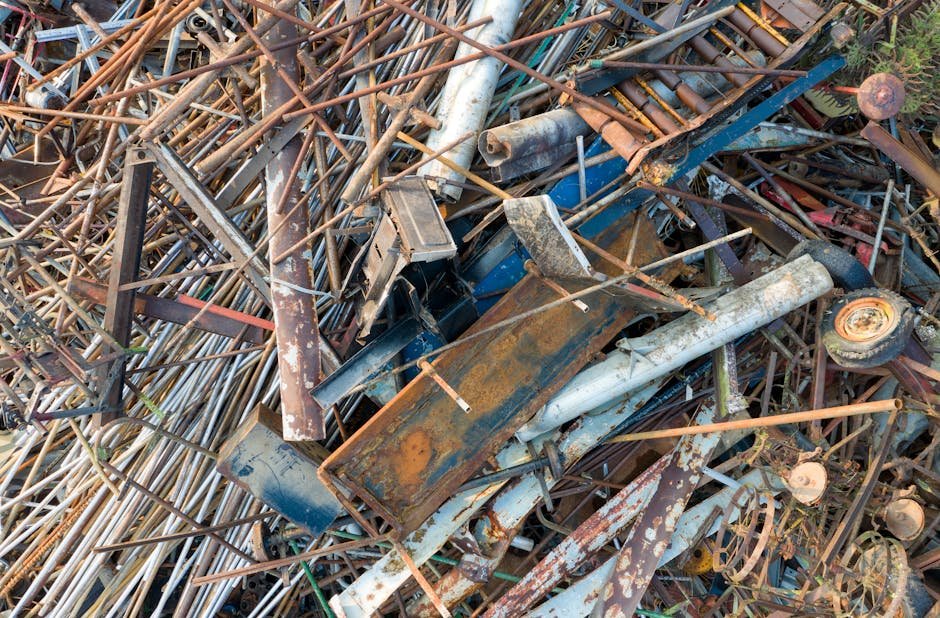
An industrial surplus materials marketplace is changing how businesses manage excess inventory, unused raw materials, and industrial by-products. Instead of allowing surplus stock to sit in warehouses or become waste, companies can now monetize unused materials through digital marketplaces that connect buyers and sellers across industries.
Manufacturers, construction firms, recyclers, and industrial suppliers often generate surplus materials due to overproduction, project cancellations, outdated inventory, or operational changes. Without a structured resale channel, these materials create storage costs and lost capital.
In this guide, you’ll learn how industrial surplus marketplaces work, which materials are traded, pricing factors, benefits for businesses, and how digital platforms are reshaping industrial surplus exchange globally.
What is an Industrial Surplus Materials Marketplace?
An industrial surplus materials marketplace is a digital platform where businesses list, buy, and sell unused, excess, obsolete, or overstock industrial materials.
These marketplaces connect:
- Manufacturers with excess inventory
- Industrial buyers seeking discounted materials
- Recycling companies
- Construction and demolition firms
- Exporters and surplus traders
The goal is to reduce waste while improving inventory recovery and operational efficiency.
Types of Industrial Surplus Materials Sold
Industrial surplus marketplaces handle a wide range of materials across industries.
Common Categories Include:
Metal & Scrap Materials
- Steel surplus stock
- Aluminum sheets
- Copper wire and coils
- Stainless steel leftovers
- Fabrication offcuts
Construction & Building Materials
- Pipes and fittings
- Cement bags
- Structural steel beams
- Roofing materials
- Insulation products
Manufacturing Surplus
- Overstock raw materials
- Unused packaging supplies
- Industrial chemicals (non-hazardous)
- Machine parts and components
Electrical & Mechanical Equipment
- Motors and pumps
- Industrial cables
- Electrical panels
- Conveyor systems
- Spare parts inventory
How an Industrial Surplus Marketplace Works
1. Seller Lists Surplus Materials
Businesses upload inventory details including:
- Material type
- Quantity
- Condition
- Location
- Pricing expectations
2. Buyers Search by Need
Buyers filter based on:
- Industry category
- Material grade
- Availability
- Price range
- Geographic location
3. Price Negotiation
Transactions may occur through:
- Fixed pricing
- Auctions
- Bulk purchase agreements
4. Logistics Coordination
Shipping and transportation are arranged between parties.
5. Material Reuse or Recycling
Purchased surplus materials are reused in manufacturing or recycled into secondary raw materials.
Benefits of Industrial Surplus Materials Marketplaces
1. Reduce Waste
Unused inventory gains a second lifecycle instead of disposal.
2. Recover Capital
Companies monetize idle inventory and improve cash flow.
3. Lower Procurement Costs
Buyers access industrial materials at discounted rates.
4. Improve Sustainability
Supports circular economy initiatives by extending material use.
5. Reduce Storage Costs
Clearing unused stock frees warehouse space.
Industrial Surplus Marketplace Pricing Factors
Pricing varies depending on several commercial variables.
| Pricing Factor | Impact |
|---|---|
| Material condition | New surplus commands higher value |
| Market demand | High-demand materials sell faster |
| Quantity available | Bulk lots may reduce per-unit cost |
| Age of inventory | Older inventory may depreciate |
| Logistics distance | Shipping impacts profitability |
Industries Using Industrial Surplus Marketplaces
Manufacturing Industry
Companies trade excess production materials and unused stock.
Construction Industry
Contractors resell leftover project materials.
Mining & Metals
Industrial metals and processing surplus enter resale channels.
Recycling Industry
Surplus materials become feedstock for recycling plants.
Energy & Utilities
Unused industrial equipment and components are frequently resold.
Role of Digital Platforms in Industrial Surplus Trading
Digital marketplaces simplify industrial surplus trading through:
- Real-time inventory visibility
- Verified supplier networks
- Transparent pricing
- Bulk transaction management
- Logistics support
Platforms like ScrapTrade help businesses turn surplus inventory into tradable industrial assets while supporting circular economy initiatives.
Explore:
Challenges in Industrial Surplus Materials Marketplaces
Despite rapid growth, businesses still face challenges:
- Lack of standard material categorization
- Inventory valuation difficulty
- Limited buyer discovery in niche sectors
- Logistics coordination for bulky materials
- Verification of material quality
Opportunities in Industrial Surplus Exchange
The market continues to grow due to:
- Rising sustainability mandates
- Increasing raw material costs
- Expansion of circular supply chains
- Industrial waste reduction targets
- Growth in B2B digital marketplaces
Industrial surplus trading is becoming a strategic procurement and sustainability solution.
FAQs – Industrial Surplus Materials Marketplace
1. What is an industrial surplus materials marketplace?
It is a digital platform where businesses buy and sell unused, excess, or obsolete industrial inventory and materials.
2. What types of materials are sold?
Common materials include metals, construction supplies, industrial equipment, packaging materials, and manufacturing surplus.
3. Why do businesses use surplus marketplaces?
Companies use them to recover value from unused inventory, reduce storage costs, and support sustainability goals.
4. Are surplus materials cheaper than new materials?
Yes, industrial surplus is often sold below market value, offering cost savings for buyers.
5. How do industrial surplus platforms support recycling?
They extend material lifecycle by enabling reuse, resale, and secondary processing instead of disposal.
Conclusion
An industrial surplus materials marketplace creates a smarter way for businesses to manage excess inventory, reduce waste, and unlock hidden value from unused materials.
As industrial sectors prioritize sustainability and cost efficiency, surplus marketplaces are becoming critical for resource optimization and circular economy participation.
Businesses looking to maximize asset recovery and connect with industrial buyers can leverage platforms like ScrapTrade to streamline surplus material exchange.