
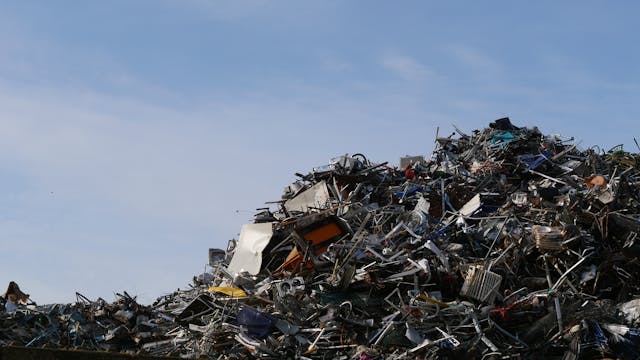
Global scrap trading is often fragmented. Small suppliers struggle with logistics, inconsistent pricing, and limited access to large buyers, while industrial buyers face supply shortages, quality inconsistencies, and inefficient sourcing channels. These inefficiencies increase costs and reduce profitability across the recycling value chain.
An international scrap consolidation network solves these issues by aggregating scrap materials from multiple suppliers into centralized, export-ready volumes for global buyers. This system improves pricing power, reduces logistics costs, and increases supply chain efficiency for metal, plastic, paper, and industrial scrap markets.
What Is an International Scrap Consolidation Network?
An international scrap consolidation network is a coordinated system that collects scrap materials from multiple suppliers, aggregates them into bulk shipments, and distributes them to international buyers.
Instead of selling small, fragmented lots, suppliers combine materials through intermediaries, warehouses, or digital marketplaces.
Core Functions of Scrap Consolidation Networks
- Aggregation of scrap from multiple sources
- Quality sorting and grading
- Bulk shipment preparation
- Export documentation handling
- Buyer matching across global markets
- Logistics optimization
These networks are essential for scaling scrap trade internationally.
How International Scrap Consolidation Networks Work
Step 1: Scrap Collection
Scrap is collected from:
- Industrial plants
- Manufacturing facilities
- Demolition sites
- Recycling centers
- Small scrap vendors
Step 2: Sorting and Grading
Materials are categorized based on:
- Metal type (copper, aluminum, steel)
- Plastic grade (PET, HDPE, PP)
- Paper quality
- Contamination level
- Industrial classification
Step 3: Consolidation into Bulk Lots
Small volumes are combined into export-ready shipments to meet international buyer requirements.
Step 4: Global Buyer Matching
Buyers source consolidated scrap through:
- Digital marketplaces
- B2B trading platforms
- Industrial procurement networks
- Direct exporter relationships
Step 5: Shipping and Delivery
Logistics partners handle:
- Container loading
- Customs clearance
- Freight forwarding
- Final delivery coordination
Types of Scrap Traded in Consolidation Networks
Metal Scrap
- Metal scrap dominates global consolidation systems.
- Common materials include:
- Copper scrap
- Aluminum scrap
- Stainless steel scrap
- Brass scrap
- Iron scrap
- Zinc scrap
Plastic Scrap
- Plastic consolidation supports manufacturing supply chains.
- Examples:
- PET bottles
- HDPE containers
- LDPE film
- PP industrial waste
- PVC scrap
Paper Scrap
- Paper is widely consolidated for recycling mills.
- OCC cardboard
- Mixed paper
- Kraft paper waste
- Office paper scrap
Industrial Scrap
- Industrial waste includes mixed byproducts:
- Machine shavings
- Manufacturing residue
- Construction scrap
- Rubber waste
Benefits of International Scrap Consolidation Networks
Higher Price Realization
- Bulk consolidated scrap commands better pricing compared to fragmented supply.
- Buyers prefer:
- Standardized grades
- Large shipment volumes
- Consistent quality
Reduced Logistics Costs
- Consolidation reduces per-ton shipping costs by maximizing container utilization.
Global Market Access
- Small suppliers gain access to international buyers previously unavailable to them.
Improved Supply Chain Efficiency
- Buyers receive stable supply without sourcing from multiple fragmented vendors.
Better Quality Control
- Consolidation centers enforce grading standards before shipment.
Key Challenges in Scrap Consolidation Networks
Quality Inconsistency
- Different suppliers may deliver mixed-grade materials requiring strict sorting.
Logistics Complexity
- Cross-border consolidation involves customs, freight coordination, and compliance.
Supplier Fragmentation
- Small suppliers may lack standardized processes.
Market Price Volatility
- Commodity prices fluctuate based on global demand and industrial cycles.
How to Choose a Reliable Scrap Consolidation Network
Strong Supplier Verification
- Ensure the network validates:
- Supplier identity
- Material grading history
- Export compliance
Efficient Logistics Infrastructure
- Look for:
- Warehousing support
- Freight partnerships
- Export documentation handling
Transparent Pricing Mechanism
- A good network should offer:
- Real-time pricing
- Market-linked rates
- Clear commission structures
Global Buyer Reach
- The platform should connect suppliers with international industrial buyers.
FAQs
What is an international scrap consolidation network?
- It is a system that aggregates scrap materials from multiple suppliers and consolidates them into bulk shipments for international buyers, improving pricing and logistics efficiency.
Why is scrap consolidation important?
- It improves pricing, reduces shipping costs, ensures quality consistency, and helps small suppliers access global markets.
What materials are included in scrap consolidation networks?
- Metals, plastics, paper, rubber, and industrial scrap materials are commonly consolidated for global trade.
How does consolidation improve scrap pricing?
- Bulk shipments attract better pricing due to standardized quality, reduced logistics cost, and higher buyer demand.
Who benefits from scrap consolidation networks?
- Scrap suppliers, exporters, recyclers, industrial buyers, and manufacturers all benefit from improved efficiency and pricing.
Conclusion
- An international scrap consolidation network is essential for modern global recycling trade. It connects fragmented suppliers with large industrial buyers, improves pricing efficiency, reduces logistics costs, and strengthens global supply chains.
- Businesses that participate in scrap consolidation systems gain better market access, higher profitability, and improved operational efficiency.